TOURISM GATEWAY
DISCOVER BHUTAN
In a world that is always on the go, Bhutan provides sanctuary. Here, you can find earthly pleasures: archery and age-old crafts, dishes of home-made cheese and fearsomely hot chillies, breathtaking treks and restorative hot-stone baths.
But there’s another Bhutan, too the one hinted at by the prayer flags strung across gorges and fluttering on every hillside. It’s where irreverent humour meets deeply held beliefs, and epic landscapes and slow journeys create room for quiet awe. In this Bhutan, you can enhance your well-being, immerse yourself in wonder and embark on exhilarating adventures.
More than 70% forested, and the first carbon-negative country in the world, we’re also planting the seeds of science and tech innovation.
There isn’t just one Bhutan to discover; there are many. From storied cities to soaring mountains, the door to the kingdom is open once again to old and new friends.
ROYAL ENDORSED DESTINATIONS
TIGER'S NEST MONASTERY (TAKTSANG PALPHUG MONASTERY):
An iconic and sacred monastery perched on a cliffside, offering breathtaking views.
PUNAKHA DZONG:
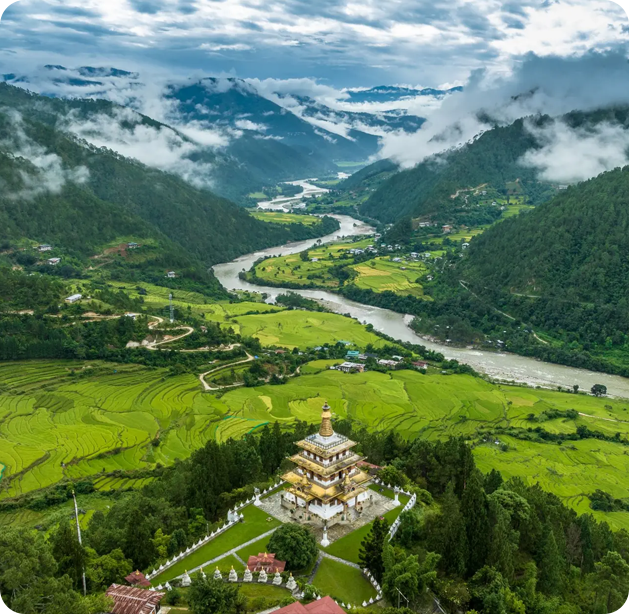
A stunning fortress located at the confluence of two rivers, it is a masterpiece of Bhutanese architecture and history.
NATIONAL MEMORIAL CHORTEN:
A prominent landmark in Thimphu, built to honor the third King of Bhutan.
BUDDHA DORDENMA:
A massive Buddha statue in Thimphu that provides panoramic views of the valley below.
TRONGSA DZONG:
The ancestral home of the royal family and a historically significant dzong that played a key role in unifying the country.
OTHER SIGNIFICANT SITES
TASHICHHO DZONG:
A grand fortress and monastery that houses the government and serves as the religious and administrative center of Thimphu.
CHELE LA:
The highest motorable pass in Bhutan, known for its stunning views of the Himalayas.
HAA VALLEY:
A beautiful and tranquil valley that is less visited than other areas, preserving its natural beauty and cultural heritage.
PHOBJIKHA VALLEY:
A picturesque glacial valley that is the winter home of the rare Black-necked Crane.
JIGME DORJI NATIONAL PARK:
A large national park home to diverse wildlife and scenic landscapes, including the iconic Takin.
BHUTANESE CUISINE & LIFESTYLE
Food is the single great unifier that connects us across cultures and religions. A trip to Bhutan will be incomplete without trying out some of its popular dishes. While Bhutanese food is heavily influenced by Chinese, Tibetan and Indian cuisines, it still maintains distinct local flavors. Just like its interesting languages, yyou will also find Bhutanese food habits and dishes interesting.
What type of food do Bhutanese eat? Whether you are a meat lover or a vegetarian, Bhutan offers you a variety of foods to satisfy your hunger. Let’s discover some of the must-try dishes and the surprising facts about Bhutan cuisine.
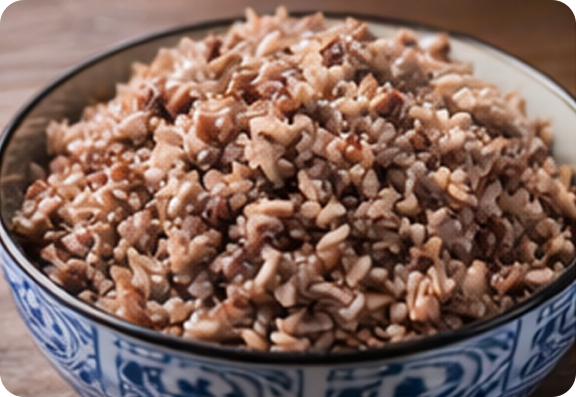
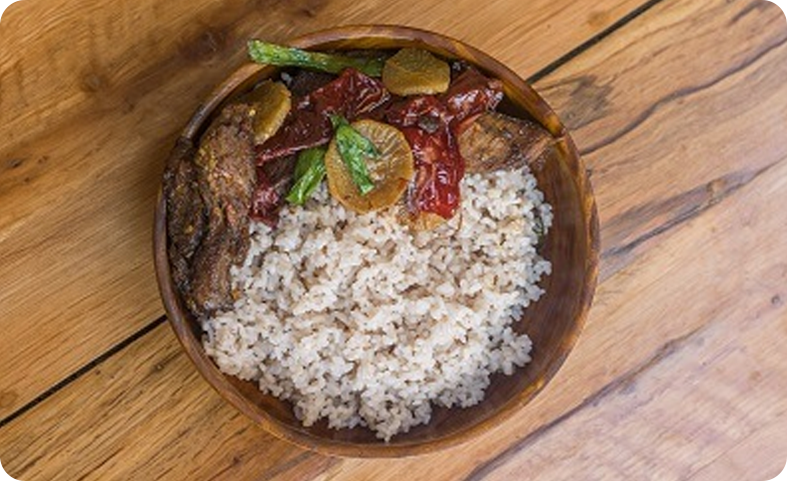
At every dining table in Bhutan, you will find a mountain of red rice – which makes Bhutanese food healthy. The red rice produced in Bhutan is of the highest quality. Bhutanese have been growing and eating red rice as their staple for centuries.
Red rice is gluten free, and full of nutrients such as zinc, iron, calcium, magnesium, vitamin B, protein, and potassium. It is also known to contain more zinc and iron than white, black, or brown rice.
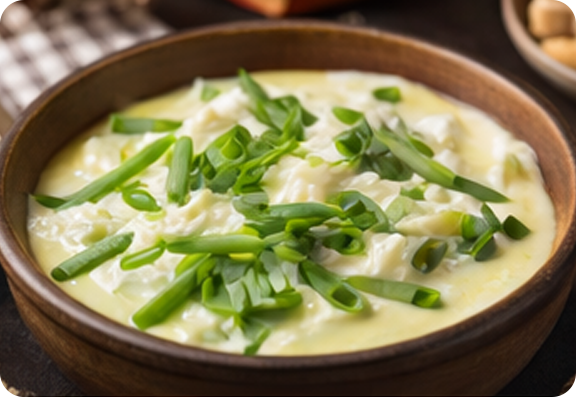
Ema Datshi is Bhutan’s iconic national dish made with chili peppers and local cheese. Known for its bold heat and creamy texture, it reflects the country’s deep appreciation for spicy and comforting flavors.
The balance of fiery chilies and smooth cheese creates a satisfying taste. It remains a daily favorite enjoyed in homes throughout Bhutan.
Jasha Maroo is a traditional chicken stew cooked with ginger, garlic, tomatoes, and fresh chilies. This flavorful dish offers warmth and spice, making it popular for family meals and festive gatherings.
Served with red rice, it delivers rich aroma and hearty taste. The combination of spices creates depth and comforting satisfaction.

Phaksha Paa is a savory pork dish prepared with dried red chilies and radishes. The tender pork absorbs smoky flavors, creating a bold and authentic taste loved in Bhutanese cuisine.
The dried chilies add strong heat and aroma. This dish reflects traditional cooking methods and rich household flavors.
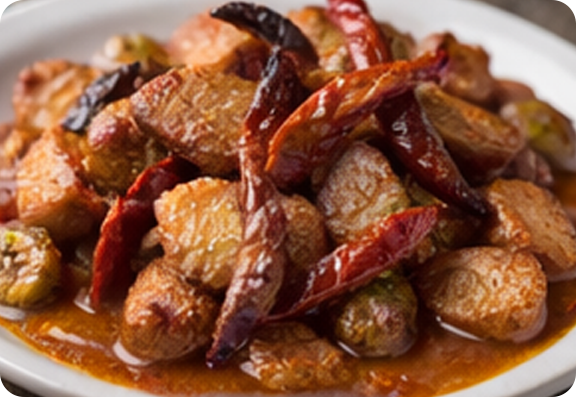
Momos are delicious dumplings filled with meat or vegetables, commonly steamed or fried. Widely enjoyed across Bhutan, they are popular street foods and festive snacks shared among families and friends.
Served with spicy dipping sauce, momos offer flavorful bites. They represent comfort food enjoyed during gatherings and celebrations.
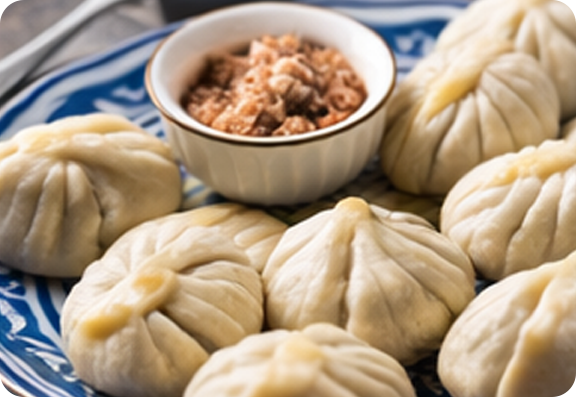
Shakam Datshi combines dried beef with chili peppers and creamy cheese sauce. The smoky meat flavor blends beautifully with rich spices, creating a bold and satisfying traditional Bhutanese dish.
The cheese softens the strong flavors perfectly. This hearty meal highlights preservation techniques and balanced spice combinations.
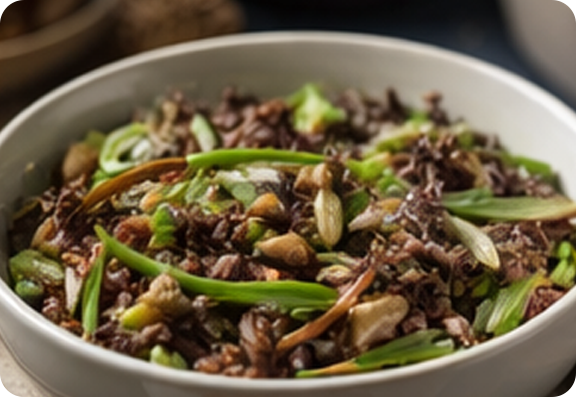
Kewa Datshi is a comforting vegetarian dish made with sliced potatoes, chilies, and cheese. Simple ingredients combine to create a warm and creamy preparation enjoyed across Bhutan.
Its mild spice and smooth texture appeal widely. It pairs perfectly with red rice for balanced meals.
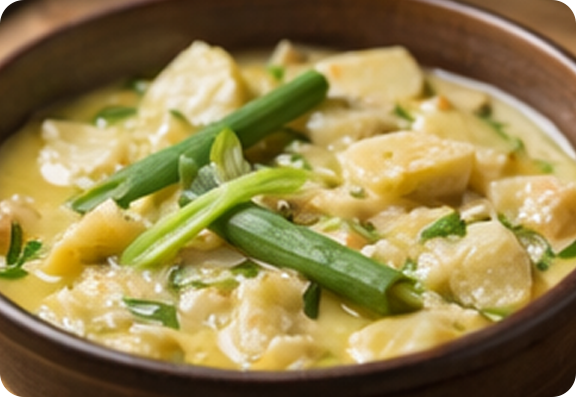
Shamu Datshi features mushrooms cooked in a rich chili and cheese sauce. The earthy flavor of mushrooms blends harmoniously with Bhutan’s signature spicy and creamy combination.
This vegetarian favorite offers warmth and comfort. It highlights fresh ingredients and traditional cooking techniques.
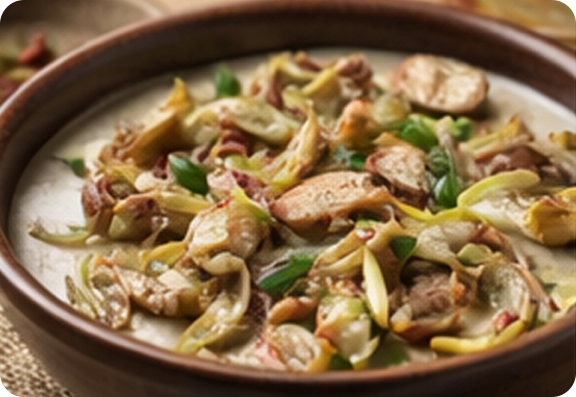
Sikam Paa is made from dried pork belly cooked with radishes and chilies. The drying process intensifies flavor, giving the dish a distinct savory and slightly smoky taste.
Tender meat and bold spices create richness. It represents Bhutan’s traditional food preservation heritage.
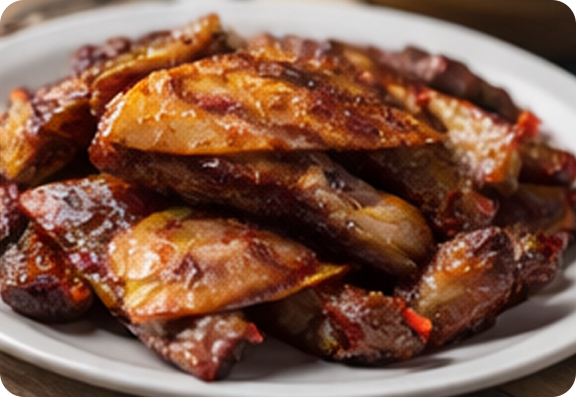
Hoentay are buckwheat dumplings stuffed with spinach, turnips, or cheese fillings. Popular in eastern Bhutan, they are especially prepared during festivals and meaningful community celebrations.
Their preparation brings families together joyfully. Hoentay symbolize unity, tradition, and shared cultural pride.
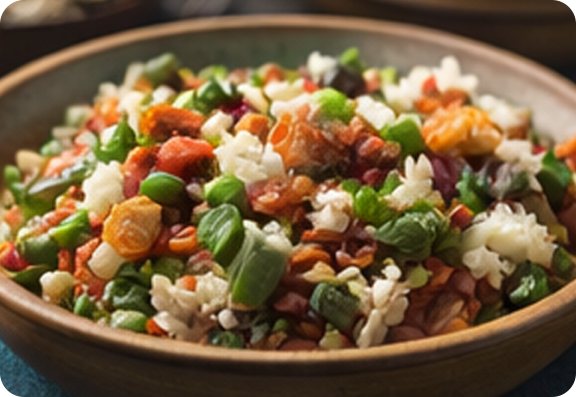
Zow Shungo is a stir-fried dish made using leftover vegetables and red rice. It reflects practical Bhutanese cooking and the value of minimizing food waste.
Simple ingredients create surprising flavor and satisfaction. This dish represents resourcefulness and everyday culinary creativity.
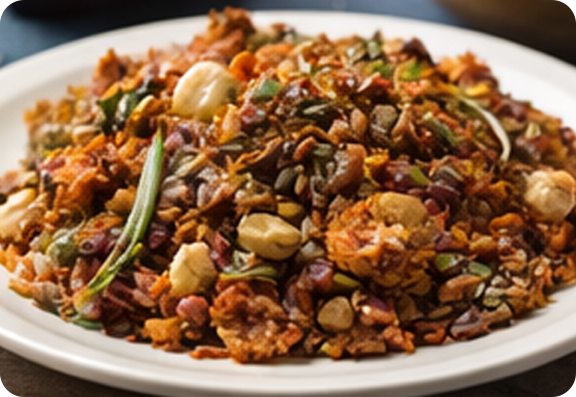
Goen Hogay is a refreshing cucumber salad mixed with chili, onions, and cheese. Light yet flavorful, it provides contrast to heavier and spicier Bhutanese dishes.
Its crisp texture and mild heat refresh meals. It complements traditional dishes beautifully.
Chilli Cheese Toast combines toasted bread with spicy chilies and melted cheese. This modern snack blends Bhutanese love for spice with contemporary culinary influences.
Crispy, cheesy, and slightly fiery, it satisfies cravings. It reflects evolving food preferences alongside traditional tastes.

TRAVEL GUIDELINES & ETIQUETTE
When traveling to Bhutan, dress modestly, especially at religious sites, and remove shoes and hats before entering. Walk clockwise around sacred objects, do not point with your finger, and avoid public displays of affection. Always ask before taking photos and follow your tour guide’s instructions, as self-driving is restricted outside of Paro and Thimphu.
TRAVEL GUIDELINES & ETIQUETTE
When traveling to Bhutan, dress modestly, especially at religious sites, and remove shoes and hats before entering. Walk clockwise around sacred objects, do not point with your finger, and avoid public displays of affection. Always ask before taking photos and follow your tour guide’s instructions, as self-driving is restricted outside of Paro and Thimphu.
ETIQUETTE AND CUSTOMS
DRESS MODESTLY:
Cover shoulders and knees when visiting temples and dzongs. Avoid shorts and revealing clothing.
VISIT RELIGIOUS SITES RESPECTFULLY:
Remove shoes, hats, and sunglasses before entering. Speak softly and walk clockwise around stupas, temples, and prayer wheels. Never touch or sit on sacred objects, statues, or altars.
PHOTOGRAPHY:
Always ask permission before photographing people and obey signs that prohibit photography inside certain religious sites.
POINTING:
Use an open palm to gesture or indicate something, as pointing with your finger is considered rude.
PUBLIC DISPLAYS OF AFFECTION:
Avoid public displays of affection, as they are not common and can be seen as inappropriate.
GREETINGS:
A simple "Namaste" with hands in a prayer-like gesture is a respectful greeting.
RECEIVING ITEMS:
Use your right hand or both hands to give and receive objects to show respect.
TRAVEL AND SAFETY GUIDELINES
GUIDED TRAVEL:
Tourists must travel with a guide and driver outside of Paro and Thimphu. Self-driving is not permitted.
ENVIRONMENT:
Do not litter, smoke in public (smoking is banned in many public areas), or disturb wildlife. Avoid throwing items into lakes or rivers, as they are considered sacred.
MONEY
Indian currency in denominations of Rs. 500 and below is permitted up to a limit of Rs. 25,000. Over that limit, the denomination must be Rs. 100 and below.
HEALTH:
Carry necessary medications, as not all drugs are available. It is recommended to drink bottled or purified water.
DRONES:
Drones are restricted and require special permission.
RESPONSIBLE TOURISM POLICY
Bhutan’s responsible tourism policy, known as “High Value, Low Impact,” focuses on preserving its culture and environment by limiting. tourist numbers and requiring a mandatory Sustainable Development Fee (SDF). The SDF, which varies by nationality, helps fund national development projects, including healthcare, education, and conservation. This model requires visitors to book through licensed tour operators and promotes a more sustainable and less crowded travel experience.
HIGH VALUE, LOW IMPACT:
This is the core philosophy, aiming to maximize the economic and social benefits from tourism while minimizing its environmental and cultural impact.
SUSTAINABLE DEVELOPMENT FEE (SDF):
A mandatory daily fee paid by most tourists, which helps fund the country's development initiatives.
PHOTOGRAPHY:
Always ask permission before photographing people and obey signs that prohibit photography inside certain religious sites.
INTERNATIONAL VISITORS:
Pay an SDF of USD 100 per night.
INDIAN NATIONALS:
Pay an SDF of INR 1,200 per person, per night.
CONTROLLED VISITOR NUMBERS:
By managing the number of tourists through the SDF and pre-arranged visas, Bhutan prevents over-tourism and its associated problems.
MANDATORY TOUR OPERATORS AND GUIDES:
All tourists, with some exceptions, are required to use a licensed tour guide and pre-book their arrangements. This ensures a guided experience that is aligned with the country's policies.
PROMOTION OF LOCAL BENEFIT:
The policy is designed so that tourism benefits the local community and economy, such as through supporting local businesses, homestays, and cultural activities.
GROSS NATIONAL HAPPINESS (GNH):
The tourism policy is an integral part of Bhutan's broader philosophy of Gross National Happiness, which prioritizes well-being, environmental health, and cultural preservation over purely economic growth.