KINGS OF BHUTAN
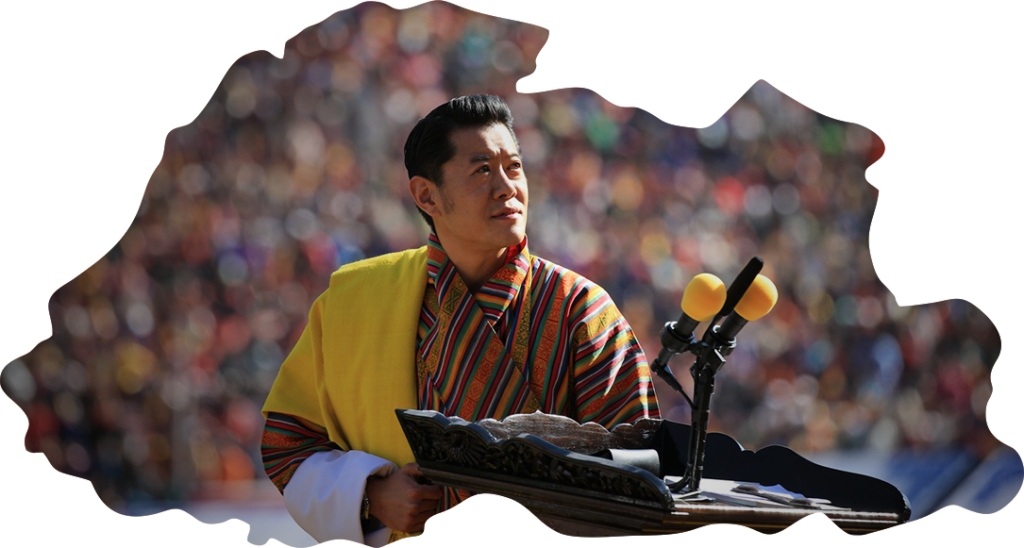
"JIGME KHESAR NAMGYEL WANGCHUCK"
Kings Of Bhutan
"JIGME KHESAR NAMGYEL WANGCHUCK"
The Kingdom of Bhutan stands as a symbol of peace, cultural richness, and harmonious development in the Himalayas. Guided by wisdom and tradition, the nation continues to balance modernization with deeply rooted values that define its unique identity on the global stage.
At the heart of this progress is visionary leadership that inspires unity, strengthens democracy, and promotes the well-being of every citizen. Through dedication to sustainable growth, education, and national happiness, Bhutan continues to move forward with confidence and purpose.
Members
THE ROYAL FAMILY
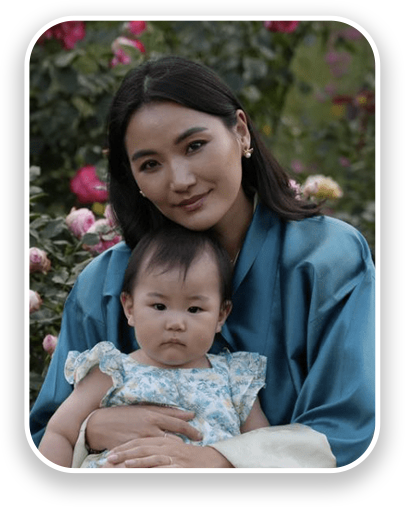
- THE QUEEN
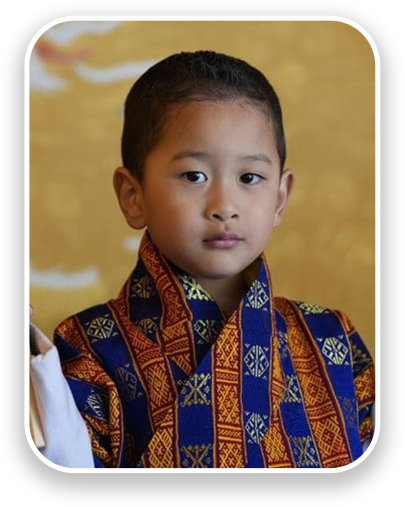
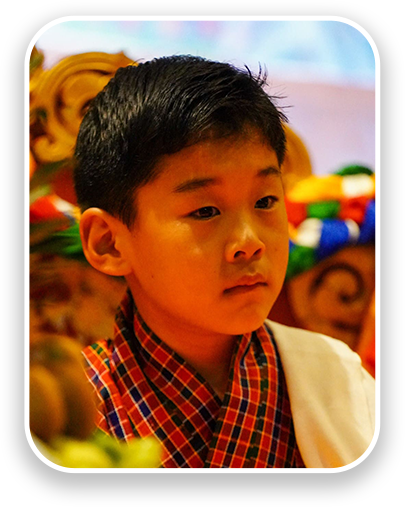
- ROYAL CHILDREN
- EXTENDED ROYAL FAMILY
- ROYAL TRADITIONS & CEREMONIES
History
HISTORY OF BHUTAN
Bhutan’s story is a remarkable journey shaped by spirituality, resilience, and visionary leadership. From ancient Himalayan settlements to the establishment of a unified kingdom, the nation has preserved its traditions while embracing thoughtful transformation.
Guided by cultural wisdom and strong governance, Bhutan’s history reflects harmony between faith and state, community and crown, past and progress. Each era has contributed to a legacy of peace, sovereignty, and national identity that continues to inspire generations.
CONSTITUTION &
MONARCHY
Bhutan’s constitutional monarchy blends democratic governance with royal guidance, ensuring stability, unity, and national identity while safeguarding citizens’ rights, preserving traditions, and promoting balanced development under the leadership of the Druk Gyalpo.
GOVERNANCE
SYSTEM
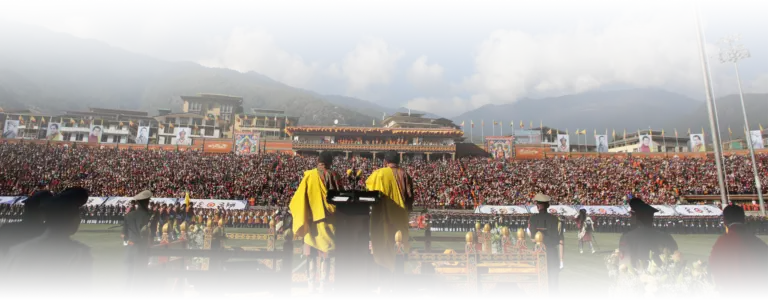
Bhutan follows a parliamentary democratic system where elected representatives shape national policies, uphold transparency, and strengthen institutions, working collaboratively with the monarchy to ensure accountable leadership and inclusive progress for all citizens.
GROSS NATIONAL HAPPINESS (GNH)
Gross National Happiness guides Bhutan’s development philosophy, prioritizing well-being, environmental conservation, cultural preservation, and good governance over material growth, creating a holistic framework that measures progress through happiness and sustainability.
GEOGRAPHY &
ENVIRONMENT
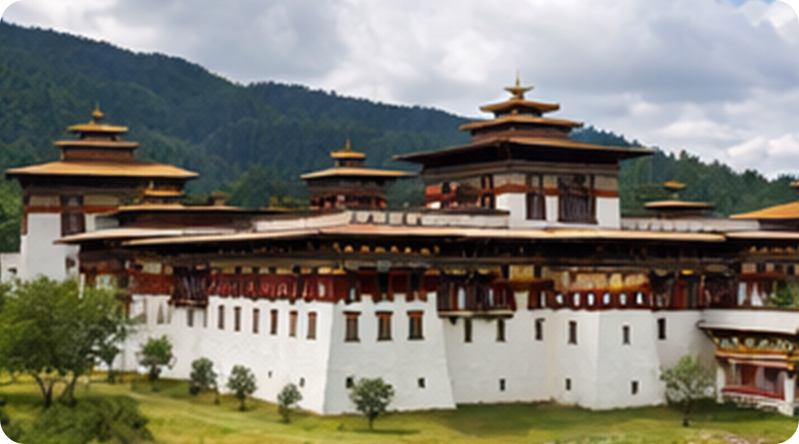
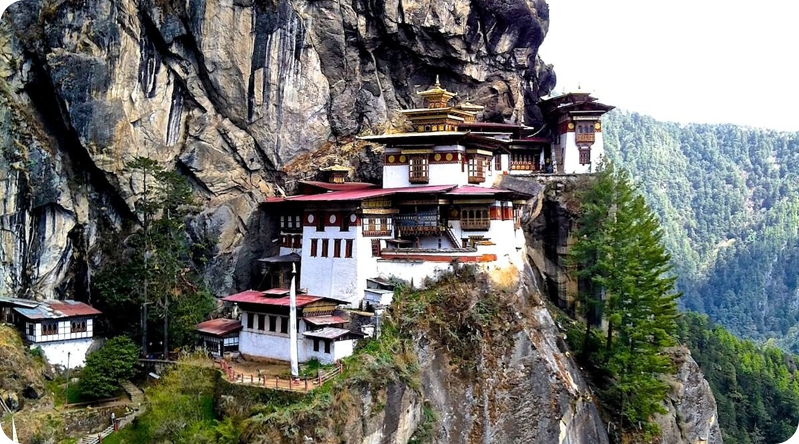
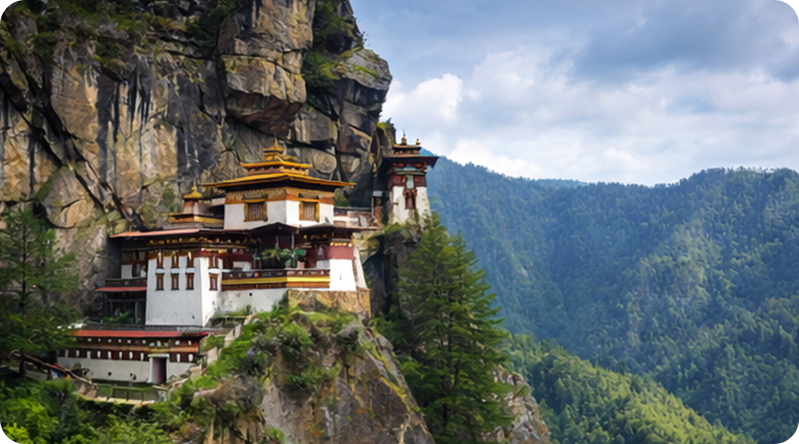
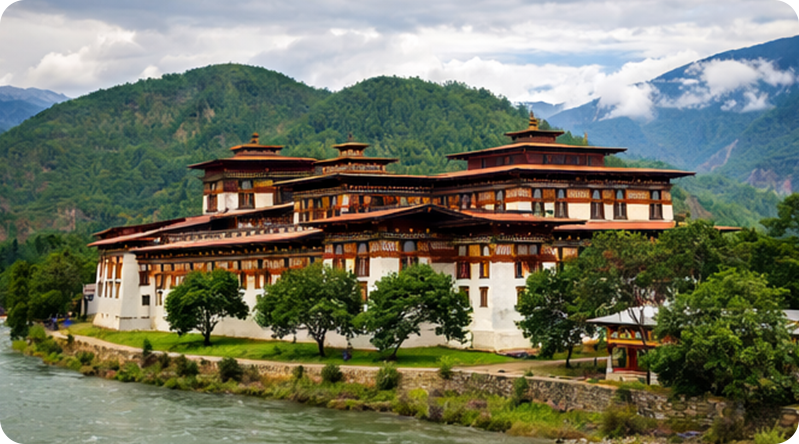
Nestled in the eastern Himalayas, Bhutan features majestic mountains, pristine forests, and rich biodiversity, maintaining strong environmental protections and carbon-negative status to preserve its natural heritage for future generations.
PEOPLE &
CULTURE
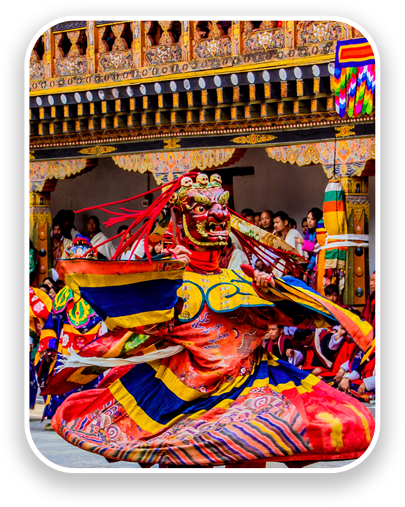
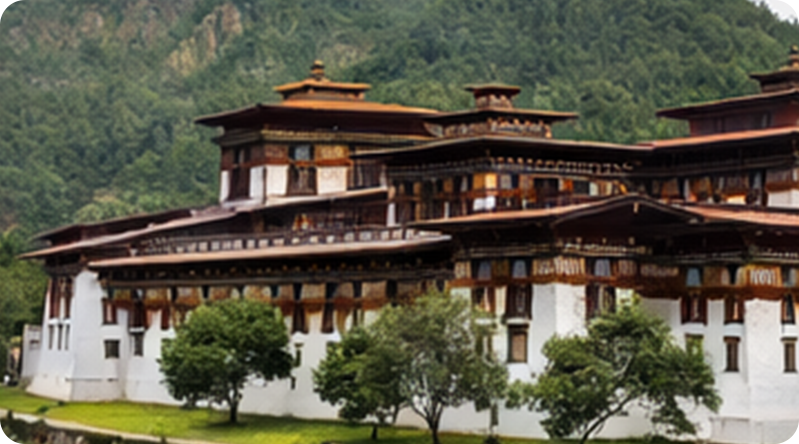
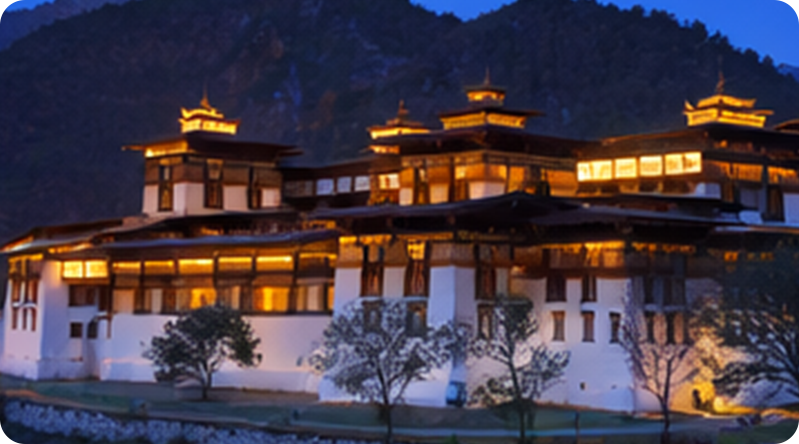
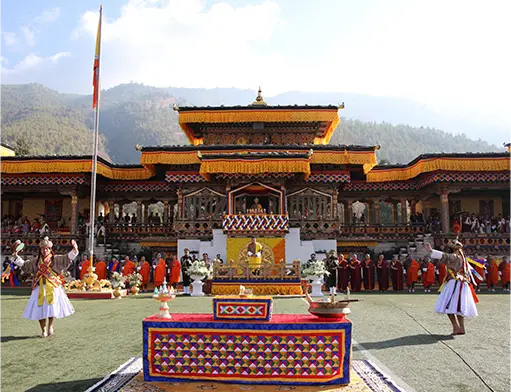
Bhutanese society reflects deep-rooted traditions, vibrant festivals, and spiritual values, fostering unity and respect among diverse communities while celebrating language, dress, architecture, and customs that define the nation’s cultural identity.
CONSTITUTION &
MONARCHY
Bhutan’s constitutional monarchy blends democratic governance with royal guidance, ensuring stability, unity, and national identity while safeguarding citizens’ rights, preserving traditions, and promoting balanced development under the leadership of the Druk Gyalpo.
GOVERNANCE
SYSTEM
Bhutan follows a parliamentary democratic system where elected representatives shape national policies, uphold transparency, and strengthen institutions, working collaboratively with the monarchy to ensure accountable leadership and inclusive progress for all citizens.
GROSS NATIONAL HAPPINESS (GNH)
Gross National Happiness guides Bhutan’s development philosophy, prioritizing well-being, environmental conservation, cultural preservation, and good governance over material growth, creating a holistic framework that measures progress through happiness and sustainability.
GEOGRAPHY &
ENVIRONMENT
Nestled in the eastern Himalayas, Bhutan features majestic mountains, pristine forests, and rich biodiversity, maintaining strong environmental protections and carbon-negative status to preserve its natural heritage for future generations.
PEOPLE &
CULTURE
Bhutanese society reflects deep-rooted traditions, vibrant festivals, and spiritual values, fostering unity and respect among diverse communities while celebrating language, dress, architecture, and customs that define the nation’s cultural identity.
ROYAL INITIATIVES &
FOUNDATIONS
- EDUCATION & YOUTH PROGRAMS
- ENVIRONMENT & CLIMATE ACTION
- HEALTHCARE & SOCIAL WELFARE
- ARTS, CULTURE & PRESERVATION
- ECONOMIC DEVELOPMENT & INNOVATION
- INTERNATIONAL HUMANITARIAN WORK
EDUCATION &
YOUTH PROGRAMS
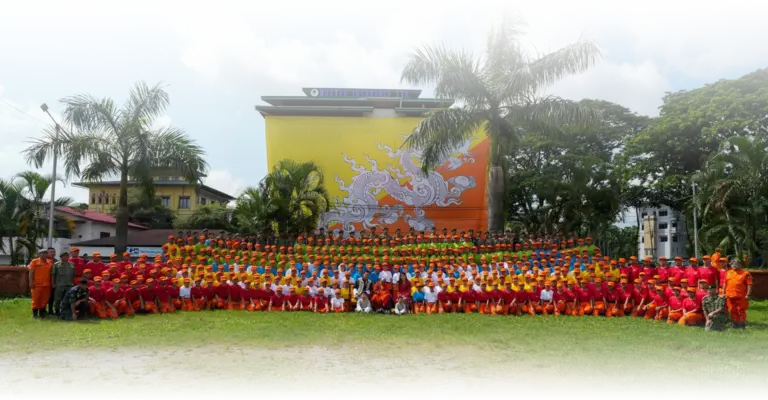
Royal initiatives promote quality education, leadership development, and skill-building opportunities, empowering youth to become responsible citizens, innovative thinkers, and future leaders who contribute meaningfully to Bhutan’s sustainable national progress.
ENVIRONMENT &
CLIMATE ACTION
Focused on environmental protection, these initiatives strengthen conservation efforts, promote renewable energy, and reinforce Bhutan’s carbon-negative commitment while encouraging climate resilience and sustainable practices across communities nationwide.
HEALTHCARE &
SOCIAL WELFARE
Programs enhance accessible healthcare services, maternal and child support, and social protection systems, ensuring improved well-being, equity, and dignity for vulnerable communities throughout the kingdom.
ARTS, CULTURE &
PRESERVATION
Royal foundations safeguard traditional arts, language, architecture, and festivals, nurturing cultural pride while promoting heritage education and preserving Bhutan’s unique spiritual and artistic legacy for generations.
ECONOMIC DEVELOPMENT &
INNOVATION
Strategic initiatives encourage entrepreneurship, infrastructure growth, digital transformation, and sustainable industries, creating employment opportunities and strengthening Bhutan’s economy while aligning progress with national values and long-term stability.
INTERNATIONAL
HUMANITARIAN WORK
Through global partnerships and diplomatic engagement, Bhutan supports humanitarian cooperation, peace-building efforts, and collaborative development programs, contributing responsibly to regional stability and international solidarity.
TOURISM
GATEWAY
- DISCOVER BHUTAN
- ROYAL ENDORSED DESTINATIONS
- BHUTANESE CUISINE & LIFESTYLE
- TRAVEL GUIDELINES & ETIQUETTE
- RESPONSIBLE TOURISM POLICY